
Welcome! This manual guides you through your Jack LaLanne Power Juicer, ensuring a smooth start and maximizing its benefits for optimal health and wellness.
Historical Context of Jack LaLanne and Juicing
Jack LaLanne, a pioneer of the modern fitness movement, championed preventative health decades before it became mainstream; His lifelong dedication to physical wellbeing naturally extended to nutrition, and he became a fervent advocate for the benefits of fresh juice.
LaLanne believed juicing offered a convenient way to consume vital nutrients, particularly for individuals struggling to meet their daily fruit and vegetable intake. He saw it as a powerful tool for detoxification and boosting energy levels. This philosophy directly inspired the creation of the Jack LaLanne Power Juicer, designed to make healthy juicing accessible to everyone.
His commitment wasn’t just promotional; LaLanne personally used and endorsed the juicer, embodying his belief in its positive impact on health.
The Original Jack LaLanne Power Juicer: A Legacy
The Jack LaLanne Power Juicer, first introduced in the 1990s, quickly became iconic. Unlike many centrifugal juicers of the time, it utilized a masticating (or slow-juicing) process. This method extracts juice by crushing and squeezing produce, preserving more nutrients and enzymes.
Its robust construction and powerful motor were hallmarks of its design, intended for longevity and frequent use. LaLanne’s personal endorsement and television demonstrations fueled its popularity, establishing it as a trusted kitchen appliance for health-conscious individuals.
Even today, original models are sought after for their durability and effectiveness, representing a lasting legacy of LaLanne’s health philosophy.

Understanding the Juicer Components
Let’s explore! Familiarizing yourself with each part – from the motor base to the strainer – is crucial for efficient operation and maintenance of your juicer.
Detailed Jack LaLanne Juicer Parts Diagram
Visual Guide: Refer to the accompanying diagram for a clear illustration of all components. This detailed schematic showcases the precise arrangement of each part, aiding in assembly, disassembly, and understanding the juicer’s internal workings.
Key areas highlighted include the pulp ejection chute, juice collection container, motor housing, and the central juicing screw. Note the positioning of the strainer basket and its locking mechanism. The diagram also points out the feed chute where produce is introduced.
Understanding this layout is fundamental for proper cleaning, troubleshooting, and ultimately, maximizing the performance and longevity of your Jack LaLanne Power Juicer. Keep this diagram handy for future reference!
Identifying Key Components: Motor Base, Pusher, Strainer
Motor Base: The powerhouse of the juicer, providing the rotational force. Ensure it’s stable and properly connected to a power source.
Pusher: Used to gently guide fruits and vegetables into the feed chute. Never apply excessive force – let the juicer do the work!
Strainer: This crucial component separates juice from pulp. It’s typically a fine mesh basket. Regular cleaning is vital to prevent clogging and maintain juice quality. Different strainers may be included for varying pulp levels.
Familiarize yourself with each part’s function and location. Correct identification is essential for safe operation, effective cleaning, and successful juicing.
Materials Used in Construction: Durability and Safety
The Jack LaLanne Power Juicer prioritizes both longevity and user safety through careful material selection. ABS plastic forms the core housing, offering impact resistance and lightweight durability. The stainless steel strainer and blade ensure hygienic juice extraction and resist corrosion.
BPA-free plastics are used in components contacting juice, safeguarding against harmful chemical leaching. The motor housing incorporates robust materials to withstand continuous operation. These choices guarantee a safe and long-lasting juicing experience, adhering to strict quality control standards.
Regular inspection of components helps maintain optimal performance and safety.
Setting Up Your Juicer
Begin! Carefully unpack all components and familiarize yourself with the parts list before assembly, ensuring a proper and safe setup process.
Initial Assembly Instructions
Step 1: Position the motor base on a stable, level surface. Ensure it’s clear of obstructions for proper ventilation. Step 2: Carefully align the strainer basket with the pulp ejection cap, gently twisting until securely locked into place. A firm click indicates correct attachment.
Step 3: Place the pulp container onto the rear of the juicer, aligning the chute with the ejection cap. Step 4: Attach the feed chute assembly to the motor base, ensuring a snug fit. Step 5: Finally, insert the pusher into the feed chute. Double-check all connections before proceeding to the safety precautions.
Safety Precautions Before First Use
Important: Before operating your Jack LaLanne Power Juicer, thoroughly inspect all parts for any damage incurred during shipping. Never operate the juicer with damaged components. Caution: The juicer contains sharp blades. Handle with extreme care during assembly, disassembly, and cleaning.
Warning: Always unplug the juicer before cleaning or when not in use. Never immerse the motor base in water or any other liquid. Ensure hands are completely dry before handling the power cord or operating the juicer. Keep the power cord away from hot surfaces.
Never attempt to repair the juicer yourself; contact authorized service personnel for assistance.
Proper Placement and Power Connection
Stable Surface: Position your Jack LaLanne Power Juicer on a flat, stable, and non-slip surface to prevent accidental movement during operation. Ensure sufficient clearance around the juicer for easy access and ventilation.
Electrical Safety: Verify your outlet voltage matches the juicer’s specifications (typically 120V AC). Plug the power cord securely into a grounded electrical outlet. Avoid using extension cords if possible; if necessary, use a heavy-duty extension cord rated for the juicer’s wattage.
Never operate the juicer with a damaged power cord. Inspect it regularly for any signs of wear or damage.
Juicing Techniques & Best Practices
Preparation is key! Properly preparing produce and understanding speed settings will unlock the full potential of your Jack LaLanne Power Juicer.
Preparing Fruits and Vegetables for Juicing
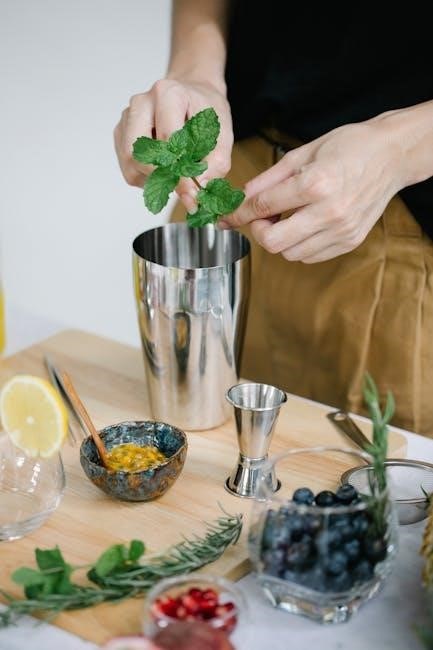
Optimal preparation ensures maximum juice yield and quality. Begin by thoroughly washing all fruits and vegetables under cool, running water to remove any dirt or residue. For produce with inedible skins, like oranges or pineapples, peeling is necessary. However, many fruits and vegetables, such as apples and carrots, can be juiced with the skin on – providing extra nutrients!
Cut larger items into smaller pieces that will easily fit into the juicer’s feed chute; Remove large seeds and pits, as these can damage the juicer or create an unpleasant taste. Leafy greens should be loosely packed. Remember, consistent sizing aids in even extraction. Proper preparation minimizes clogging and maximizes the delicious, nutritious juice from your Jack LaLanne Power Juicer.
Optimal Juicing Speed Settings
Your Jack LaLanne Power Juicer typically features two speed settings: Low and High. Utilize the Low speed for soft fruits like berries, melons, and citrus fruits. This gentler speed minimizes foam and maximizes juice yield from delicate produce. Employ the High speed for harder vegetables such as carrots, beets, and ginger.
The High speed efficiently breaks down tougher cell walls, extracting more juice. Experimentation is key! Observe the pulp consistency – if it’s too wet, increase the speed; If it’s excessively dry, reduce it. Finding the sweet spot for each ingredient ensures optimal nutrient extraction and a consistently delicious juice.
Dealing with Hard vs. Soft Produce
The Jack LaLanne Power Juicer excels at handling both hard and soft produce, but requires slightly different approaches. For hard vegetables like carrots and apples, cut them into smaller pieces to ease processing and prevent strain on the motor. Soft fruits, such as oranges and grapes, generally require minimal preparation.
Alternate between hard and soft produce when juicing continuously. This helps maintain a consistent pulp flow and prevents clogging. Avoid juicing large quantities of solely hard produce at once. Remember to use the pusher gently, applying even pressure to guide ingredients through the chute efficiently.
Juice Recipes & Nutritional Benefits
Discover vibrant health! Explore classic recipes and innovative blends designed to maximize nutrient intake and support your wellness journey with fresh juice.
Classic Jack LaLanne Juice Recipes
Jack LaLanne championed simple, effective recipes. His foundational juice typically combined apple, carrot, and celery – a sweet, earthy blend providing vitamins and minerals. This classic recipe, easily prepared with your juicer, delivers a refreshing boost. Another favorite involved orange, grapefruit, and a touch of ginger for an invigorating citrus experience.
Experiment with variations! Add a beet for extra nutrients, or a handful of spinach for a green boost. Remember, Jack emphasized consistency; incorporating juice into your daily routine was key. These recipes aren’t just about taste; they’re about building a healthier lifestyle, one glass at a time. Enjoy the legacy of vitality!
Recipes for Detoxification and Energy
For a revitalizing detox juice, combine cucumber, green apple, lemon, and a small piece of ginger. Cucumber hydrates, apple provides fiber, lemon aids digestion, and ginger offers anti-inflammatory benefits. To boost energy, try a beet, carrot, orange, and a dash of cayenne pepper blend; Beets enhance stamina, carrots offer Vitamin A, and oranges provide Vitamin C.
These recipes support natural cleansing processes and sustained energy levels. Remember to drink these juices fresh for maximum benefit. Adjust ingredient quantities to suit your taste preferences. Consistent juicing, alongside a balanced diet, can contribute to overall well-being and a vibrant lifestyle.
Maximizing Nutrient Extraction
To unlock the full nutritional potential of your produce, prioritize fresh, organic ingredients whenever possible. Cutting fruits and vegetables into smaller pieces before juicing aids the extraction process, ensuring a smoother juice with less pulp. Utilize the appropriate speed setting – lower speeds for soft fruits, higher for harder vegetables.
Don’t discard the pulp entirely! It’s rich in fiber and can be added to soups or baked goods. Drinking juice immediately after preparation preserves vital enzymes and nutrients. Consistent juicing, combined with these techniques, delivers a concentrated dose of vitamins and minerals for optimal health.

Cleaning and Maintenance
Regular cleaning is crucial for optimal performance and longevity of your Jack LaLanne Power Juicer, ensuring hygienic juice preparation every time.
Disassembly for Thorough Cleaning
Before initiating cleaning, always disconnect the Jack LaLanne Power Juicer from the power outlet. Begin by removing the pulp container, then carefully detach the strainer basket. The pusher should also be removed for independent cleaning. Next, unscrew the strainer cap – gentle pressure is usually sufficient.
The motor base itself should not be submerged in water. Wipe it down with a damp cloth only. Inspect each component for any lingering pulp or residue. Proper disassembly allows for a more comprehensive clean, preventing buildup and ensuring optimal juicer performance. Remember to refer to the parts diagram for correct reassembly!
Proper Cleaning Procedures for Each Component
For the strainer basket and cap, use warm, soapy water and a soft brush to remove pulp. Rinse thoroughly. The pulp container is dishwasher safe, but handwashing is recommended for longevity. The pusher can be washed similarly to the basket.
Avoid abrasive cleaners on any plastic parts, as they can cause scratching. The motor base requires only a damp cloth wipe-down – never immerse it in water! Ensure all parts are completely dry before reassembling. Regular, thorough cleaning prevents bacteria growth and maintains juice quality.
Preventative Maintenance Tips for Longevity
Regularly inspect the strainer for cracks or wear, replacing it as needed to maintain juice quality. Avoid running the juicer continuously for extended periods; allow it to rest. Lubricate moving parts occasionally with food-grade mineral oil to ensure smooth operation.
Store the juicer in a cool, dry place when not in use. Tighten all screws periodically. Proper cleaning after each use is the most crucial preventative measure. Following these simple steps will significantly extend the life of your Jack LaLanne Power Juicer.
Troubleshooting Common Issues
Addressing problems promptly ensures continued juicer performance. This section provides solutions for typical issues like power failures, pulp blockages, and unusual noises;
Juicer Not Turning On: Possible Causes & Solutions
If your Jack LaLanne Power Juicer fails to power on, several factors could be at play. First, verify the power cord is securely connected to both the juicer and a functioning electrical outlet. Test the outlet with another device to confirm it’s providing power.
Next, check the juicer’s safety interlock system. Ensure all components are correctly assembled and locked into place; the juicer won’t operate if parts are misaligned. Inspect the motor base for any visible damage or obstructions. If the problem persists, consult a qualified technician – do not attempt self-repair, as this could void your warranty and pose a safety risk.
Finally, a tripped circuit breaker could be the culprit. Reset the breaker if necessary;
Pulp Ejection Problems: Diagnosis and Fixes
Experiencing issues with pulp ejection? First, ensure the pulp container is correctly attached and not overfilled. A full container will halt the ejection process. Check the strainer basket for blockages; accumulated pulp can restrict flow; Disassemble and thoroughly clean the strainer with warm, soapy water.
Verify the produce isn’t being fed into the juicer too quickly. Overloading can overwhelm the system. Ensure the pusher is functioning correctly and applying even pressure. If the problem continues, inspect the pulp ejection chute for obstructions. Regular cleaning prevents buildup and maintains optimal performance.
Addressing Excessive Noise During Operation
Is your Jack LaLanne juicer unusually loud? First, confirm the juicer is placed on a stable, level surface to minimize vibrations. Check all components are securely assembled; loose parts can rattle during operation. Ensure there are no foreign objects, like small pits from fruit, lodged within the juicer mechanism.
Inspect the motor base for any signs of damage. Excessive noise can indicate worn bearings, requiring professional repair or part replacement. Avoid juicing extremely hard produce continuously, as this strains the motor. Regular cleaning prevents pulp buildup that can contribute to noise.

Where to Find Replacement Parts
Locate official and compatible parts through designated suppliers and online vendors, ensuring your Jack LaLanne juicer remains in peak operating condition.
Official Jack LaLanne Juicer Parts Suppliers
Securing genuine replacement parts is crucial for maintaining the integrity and performance of your Jack LaLanne Power Juicer. Initially, explore direct avenues through the official Jack LaLanne website or affiliated retailers. These sources guarantee authenticity and compatibility, preventing potential issues arising from non-approved components.
However, due to the juicer’s age, direct availability might be limited. Check with established appliance parts distributors who historically carried Jack LaLanne products. Contacting customer support through the official channels can also yield valuable information regarding current suppliers or recommended alternatives. Prioritize official sources to ensure optimal functionality and longevity of your juicer.
Compatible Replacement Parts from Third-Party Vendors

Finding compatible parts from third-party vendors requires careful consideration. While offering potential cost savings, verifying compatibility is paramount. Focus on suppliers specializing in vintage or discontinued appliance parts, often listing detailed specifications. Cross-reference part numbers meticulously before purchasing, comparing them to your juicer’s model and original components.
Reputable online marketplaces can be useful, but prioritize vendors with strong customer reviews and clear return policies. Be cautious of generic parts lacking specific compatibility information. Always prioritize safety and quality; inferior parts can compromise performance and potentially damage your juicer. Thorough research is key to a successful replacement;
Online Resources for Parts and Support
Numerous online resources cater to Jack LaLanne Power Juicer owners seeking parts and support. Dedicated online forums and communities provide a platform for sharing experiences, troubleshooting tips, and locating hard-to-find components. Websites specializing in vintage appliance parts often stock original or compatible replacements.
Manufacturer support, though potentially limited for older models, may offer valuable insights. YouTube tutorials demonstrate disassembly, repair, and maintenance procedures. Always verify the credibility of online sources before implementing advice. Prioritize official channels or established communities for accurate information and reliable assistance with your juicer.