
Optavia Fast Food Guide: Navigating Dining Out
Optavia and fast food can coexist with careful planning! This guide explores strategies for making healthier choices while on the program, focusing on lean proteins and vegetables.
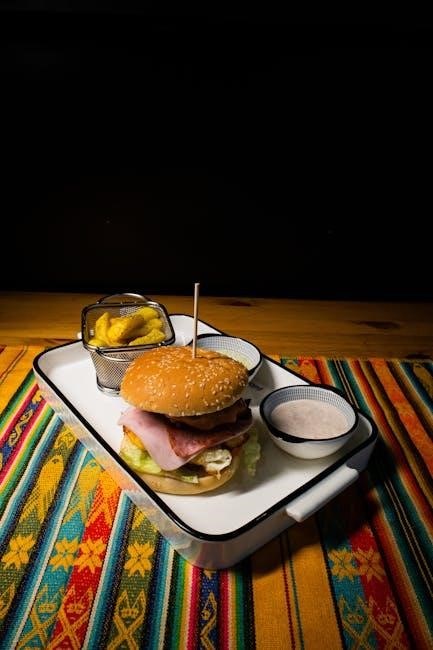
Discover how to modify menu items to align with Optavia’s principles, ensuring you stay on track with your weight loss goals even when dining out conveniently.
Understanding Optavia and Fast Food
Optavia is a weight-loss program centered around “Fuelings” – pre-portioned, nutrient-dense meals – and “Lean & Green” meals, emphasizing lean protein and non-starchy vegetables. Successfully integrating fast food requires a deep understanding of these core principles.
The program’s success hinges on controlled calorie intake and minimizing processed foods, sugars, and unhealthy fats. Fast food, by its nature, often presents challenges in these areas. However, it doesn’t mean it’s entirely off-limits. Strategic choices and modifications are key.
Many individuals find themselves in situations where fast food is the most convenient option – travel, busy schedules, or social gatherings. Completely avoiding it can feel restrictive and unsustainable. Therefore, learning to navigate fast food menus effectively is a valuable skill for long-term Optavia adherence.
This involves identifying lean protein sources, prioritizing vegetables, and being mindful of portion sizes. It also means being prepared to ask for customizations, such as removing sauces or opting for grilled instead of fried options. Understanding nutritional information, when available, is also crucial.
The Core Principles of the Optavia Program
Optavia’s foundation rests on the concept of “Optimal Weight Release,” achieved through a structured approach to nutrition. Central to this is the “Fueling” system – pre-packaged meals designed to provide essential nutrients while controlling calorie intake. These Fuelings are the cornerstone of the program, typically consumed five to seven times daily.
Complementing Fuelings are “Lean & Green” meals, which emphasize lean protein sources (like chicken, fish, or turkey) paired with unlimited non-starchy vegetables (broccoli, spinach, salad). This combination promotes satiety and provides vital nutrients without excessive calories.
A crucial principle is limiting fat intake and avoiding processed sugars. The program encourages a focus on whole, unprocessed foods whenever possible. Portion control is paramount; even healthy foods can hinder progress if consumed in large quantities.
Hydration is also heavily emphasized, with a recommended daily intake of water. Finally, Optavia incorporates a coaching component, providing support and guidance to help individuals stay motivated and accountable throughout their weight loss journey. Understanding these principles is vital when considering fast food options.
Challenges of Fast Food on Optavia
Navigating fast food while on Optavia presents significant hurdles. The primary challenge lies in the typically high calorie, fat, and sugar content of most fast-food menu items. These directly contradict the program’s core principles of controlled calorie intake and lean nutrition.
Hidden sugars are pervasive in sauces, dressings, and even seemingly savory options, making accurate tracking difficult. Portion sizes are often excessive, exceeding recommended servings for Lean & Green meals. Identifying truly lean protein sources can also be problematic, as many fast-food proteins are breaded or heavily processed.
Furthermore, the convenience of fast food can lead to impulsive choices, bypassing careful planning and mindful eating. The lack of transparency regarding ingredient lists and nutritional information adds another layer of complexity.
Successfully incorporating fast food requires diligent menu analysis, strategic modifications, and unwavering commitment to portion control. It demands a proactive approach to avoid derailing progress and maintaining adherence to the Optavia plan.

Taco Bell Options for Optavia
Taco Bell offers surprising possibilities for Optavia followers! Strategic choices, like prioritizing lean proteins and customizing orders, can help you stay on track while enjoying a quick meal.
Lean Protein Choices at Taco Bell
Taco Bell, while often associated with indulgent options, surprisingly provides several avenues for incorporating lean protein into your Optavia plan. Focusing on protein is crucial for maintaining muscle mass and feeling satiated while following the program. Grilled chicken is your best friend here – it’s a significantly leaner choice compared to seasoned beef.
Opt for items where you can specifically request grilled chicken as a substitution. Remember to be mindful of added sauces and toppings, as these can quickly increase the fat and sugar content. Black beans, while a plant-based protein, can also be a viable option, though portion control is key due to their carbohydrate content.
Avoid anything described as “crispy” or “breaded,” as these preparations typically involve added fats. When building your meal, prioritize the protein source and then focus on adding non-starchy vegetables to maximize the lean and green aspect of your Optavia fuel. Careful selection and customization are essential for success at Taco Bell.
Fueling with Taco Bell: Specific Menu Items
Navigating the Taco Bell menu for Optavia requires strategic choices. The Power Menu Bowl, with modifications, can be a surprisingly good option. Order it with grilled chicken, hold the rice, sour cream, and guacamole. Load up on extra lettuce and tomatoes for added volume and nutrients. This creates a lean and green-friendly base.
Fresco Style is your ally! Requesting “Fresco Style” replaces cheese, sour cream, and mayo-based sauces with pico de gallo, significantly reducing fat content. A soft taco with grilled chicken and Fresco Style is another viable choice. Be cautious with portion sizes; one or two tacos are generally more appropriate than a larger quantity.
Black beans can be added as a side, but remember to account for the carbohydrates. Avoid anything deep-fried or with creamy sauces. Prioritize customization to align with Optavia’s guidelines, and always track your meal accurately to stay within your daily fuel targets.
Power Menu Bowl Modifications
The Taco Bell Power Menu Bowl presents a customizable foundation for an Optavia-friendly meal, but significant modifications are crucial. Begin by selecting grilled chicken as your protein source – a lean option supporting your fuel goals. Immediately request the removal of the rice; it’s a carbohydrate-dense component that doesn’t align with the program’s principles.
Next, eliminate the sour cream and guacamole. These additions contribute substantial fat content, hindering progress. Instead, maximize the vegetable intake. Ask for extra lettuce, tomatoes, and onions to increase volume and nutritional value without adding excessive calories. Consider adding a side of pico de gallo for extra flavor and freshness.
Remember, portion control is key. Even with modifications, consume the bowl mindfully. Tracking this meal in your Optavia app is essential to ensure it fits within your daily fuel allowance. These adjustments transform a potentially problematic menu item into a manageable option.
Fresco Style Options
Taco Bell’s “Fresco Style” offers a surprisingly effective strategy for aligning menu items with the Optavia program. Requesting “Fresco Style” replaces traditional cheese, sour cream, and mayo-based sauces with a flavorful pico de gallo. This simple swap dramatically reduces fat content and adds a boost of fresh vegetables.
This modification works well with many items, including tacos, burritos, and even the Crunchwrap Supreme (with further adjustments, of course!); When ordering, specifically ask for “Fresco Style” and double-check that no cheese or sour cream is included. Pico de gallo is a low-calorie, nutrient-rich alternative that adds zest without compromising your fuel intake.
However, remember that “Fresco Style” doesn’t automatically make an item Optavia-approved. You still need to be mindful of portion sizes and other ingredients. Pair your Fresco Style choice with a side salad or additional vegetables to create a more balanced and satisfying meal. Accurate tracking in your Optavia app remains vital.
Black Bean Options & Considerations
Taco Bell offers black beans as a protein source, presenting a potentially Optavia-friendly option, but careful consideration is crucial. Black beans provide fiber and plant-based protein, aligning with the program’s emphasis on lean protein and nutrient-dense foods. However, preparation methods and accompanying ingredients significantly impact their suitability.
Opt for black beans as a substitution in burritos or tacos, replacing higher-fat meat options. Be mindful of portion sizes; a full serving of black beans might exceed a single Optavia fuel portion. Avoid additions like rice, cheese, and creamy sauces, as these add unnecessary calories and fats. Requesting beans “on the side” allows for better portion control.
Remember to accurately track the carbohydrate content of black beans within your Optavia app. While a healthy addition in moderation, exceeding your carb allowance can hinder progress. Combining black beans with ample vegetables, like lettuce and tomato, creates a more balanced and satisfying meal while staying within program guidelines.

Beyond Taco Bell: Other Fast Food Possibilities
Optavia doesn’t limit you! McDonald’s, Subway, and Wendy’s offer viable options. Prioritize lean proteins, salads, and vegetable-rich choices for successful, convenient meals.
McDonald’s Optavia-Friendly Choices
McDonald’s presents some surprisingly workable options for those following the Optavia program, though careful selection is crucial. The focus should always remain on lean protein and minimizing added sugars and unhealthy fats. A grilled chicken sandwich, ordered without mayonnaise and with extra lettuce, can serve as a Fueling choice, providing a good protein base.
Egg McMuffins, enjoyed without the English muffin, offer a protein-rich start to the day, aligning with Optavia’s guidelines. Side salads with light vinaigrette dressing are also beneficial, contributing to your vegetable intake. However, be mindful of creamy dressings, which can quickly add unwanted calories and fats.
Avoid french fries, sugary drinks, and most breakfast pastries. These items are high in carbohydrates and offer little nutritional value. Remember portion control is paramount; even seemingly healthy options can derail your progress if consumed in excess. Utilizing the Optavia app to track your meals accurately is highly recommended when navigating McDonald’s.
Ultimately, McDonald’s can be incorporated into your Optavia lifestyle with mindful choices and a commitment to staying within the program’s framework.

Subway Strategies for Optavia Success
Subway offers a relatively straightforward path to Optavia-friendly meals due to its customizable options. The key is building a lean protein and vegetable-focused sub. Opt for 6-inch subs on a flatbread, or ideally, order a salad with your chosen protein.
Grilled chicken, turkey breast, and roast beef are excellent protein sources; Load up on non-starchy vegetables like lettuce, spinach, tomatoes, onions, and peppers. Avoid creamy sauces and dressings; instead, choose mustard or a light vinaigrette. Be cautious with cheese, as it adds extra calories and fat – a small amount is permissible.
Skip the bread entirely and request a protein bowl with your chosen ingredients for a truly Optavia-aligned meal. Beware of hidden sugars in some sauces and marinades. Always double-check the nutritional information if available.
Subway provides a convenient way to stay on track with Optavia, but mindful customization and portion control are essential for maintaining your progress. Accurate tracking within the Optavia app remains crucial.

Wendy’s: Lean Protein and Salad Options
Wendy’s presents viable Optavia choices, primarily through its grilled chicken options and salad offerings. A grilled chicken sandwich, ordered without the bun and mayonnaise, provides a solid lean protein base. Discarding the bun immediately reduces unnecessary carbohydrates and calories.
The full-size salads are also adaptable. Choose the grilled chicken salad and request the dressing on the side. Utilize only a small portion of a light vinaigrette dressing to minimize fat and sugar intake. Avoid creamy dressings like Ranch or Caesar. Load up on extra lettuce and tomato for added volume and nutrients.
Be mindful of added ingredients like croutons and cheese, which can quickly derail your Optavia plan. Opt for a side salad instead of fries. Chili is another potential option, but portion control is vital due to its carbohydrate content.

Wendy’s can be navigated successfully with careful selection and modification, allowing you to enjoy a convenient meal while adhering to your Optavia program.
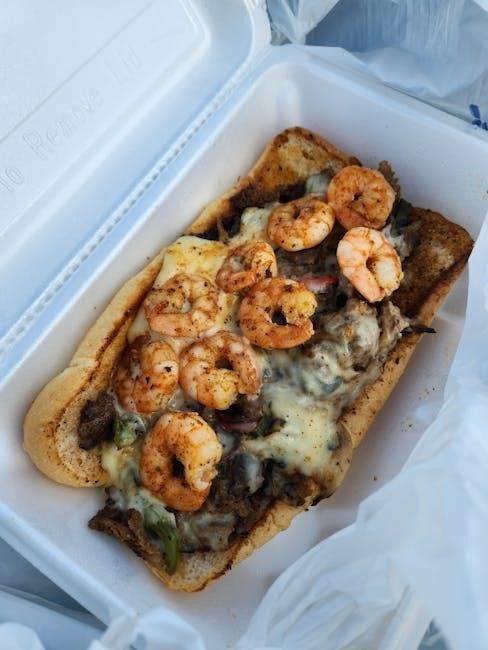
Maximizing Your Optavia Experience at Fast Food Restaurants
Success hinges on smart choices! Prioritize lean proteins, non-starchy vegetables, and meticulous portion control. Accurate meal tracking is essential for staying within Optavia guidelines.
Portion Control is Key
Maintaining strict portion control is arguably the most crucial aspect of navigating fast food while adhering to the Optavia program. Fast food restaurants are notorious for oversized servings, which can quickly derail your progress. The core of Optavia revolves around controlled calorie intake, and exceeding recommended portion sizes negates this benefit.
When ordering, immediately consider separating your meal into smaller portions. For example, if you receive a larger serving of protein, set aside a portion to be consumed later, or discard excess carbohydrates like rice or beans. Don’t be afraid to ask for smaller sizes where available, or to share a meal with a companion.
Focus on consuming only the pre-determined amount of lean protein and approved vegetables for your Fueling or Transition phase. Resist the temptation to finish everything on your plate. Utilize containers or simply leave uneaten portions behind. Remember, the goal isn’t necessarily deprivation, but mindful consumption and adherence to your plan. Pre-planning and visualizing appropriate portion sizes before you even arrive at the restaurant can significantly improve your success.
Ultimately, mastering portion control empowers you to enjoy occasional fast food meals without compromising your Optavia journey.
Focusing on Lean Proteins and Vegetables
The cornerstone of a successful Optavia approach to fast food lies in prioritizing lean proteins and non-starchy vegetables. These food groups align perfectly with the program’s emphasis on nutrient-dense, low-calorie options. When scanning a fast-food menu, actively seek out items featuring grilled or baked chicken, fish, or lean beef.
Avoid breaded or fried proteins, as these significantly increase fat and calorie content. Supplement your protein choice with generous portions of vegetables. Salads (with light dressing on the side) are excellent, but be mindful of added toppings like cheese, croutons, and high-sugar dressings. Request extra lettuce or spinach whenever possible.
Consider customizing your order to maximize vegetable intake. Ask for no sauce or minimal sauce, and opt for side salads instead of fries or other carbohydrate-heavy options. Remember that vegetables provide essential fiber, promoting satiety and supporting weight loss.

By strategically selecting lean proteins and abundant vegetables, you can create Optavia-compatible meals even within the constraints of a fast-food environment, ensuring you stay nourished and on track.
Avoiding Hidden Sugars and Fats
Fast food is notorious for hidden sugars and unhealthy fats, posing significant challenges for Optavia followers. Many sauces, dressings, and seemingly innocent beverages are loaded with added sugars that can derail your progress. Always request sauces and dressings on the side, allowing you to control the amount used – or better yet, skip them altogether!
Be particularly wary of seemingly healthy options like flavored waters or iced teas, which often contain substantial sugar. Opt for unsweetened beverages like water, black coffee, or unsweetened tea. Similarly, seemingly lean menu items can be surprisingly high in fat due to cooking methods or added ingredients.
Pay close attention to descriptions; “crispy,” “battered,” or “creamy” often indicate higher fat content. Choose grilled, baked, or steamed options whenever available. Scrutinize nutritional information when accessible, focusing on total fat, saturated fat, and sugar content.
Proactive awareness and mindful choices are crucial for navigating the hidden pitfalls of fast-food menus and maintaining adherence to your Optavia plan.
Tracking Your Meals Accurately
Maintaining precise food tracking is paramount when incorporating fast food into your Optavia journey. The program’s success hinges on accurately logging every calorie and macronutrient consumed. Don’t estimate – utilize the fast-food restaurant’s nutritional information, typically available online or via their app.
When modifying meals, meticulously calculate the changes. For example, removing cheese or sauce alters the nutritional profile. Break down composite dishes into their individual components for accurate logging. If precise information is unavailable, err on the side of caution and overestimate the calorie count.
The Optavia app or your preferred tracking tool is your ally. Input ingredients and portion sizes carefully. Remember to account for any condiments or additions. Consistent and diligent tracking provides valuable insights into your intake and helps identify potential areas for improvement.
Accurate tracking isn’t about restriction; it’s about empowerment. It allows you to make informed decisions, stay within your fuel targets, and ultimately, achieve your weight loss goals, even with occasional fast-food choices.