
Overview of Volume of Prisms and Cylinders Worksheets
Students use downloadable PDF worksheets to practice calculating volumes of rectangular, triangular, and pentagon prisms, circular cylinders. daily The worksheets include problems, solutions, and scenarios like water tank capacity estimation.
Types of Prisms in Worksheets
PDF worksheets feature rectangular, triangular, pentagonal prisms. Students compute volume using base area times height, practice unit conversions, and solve real problems such as packing boxes or estimating sand fill. Each worksheet offers step‑by‑step solutions.
Rectangular Prism
Rectangular prism worksheets focus on computing volume by multiplying length, width, and height. Students practice converting units, simplifying fractions, and applying the formula V = l × w × h. Worksheets include problems such as determining the capacity of a storage box, estimating the amount of soil needed for a garden bed, and calculating the volume of a shipping container. Each problem presents a diagram, labeled dimensions, and a step‑by‑step solution. Teachers can use these PDFs to reinforce unit conversion skills, reinforce the concept of three‑dimensional measurement, and provide real‑world context for geometry. The worksheets also feature word problems that require students to interpret textual information, identify missing dimensions, and solve for volume. By working through multiple examples, students develop confidence in applying the rectangular prism volume formula to everyday situations.
These worksheets also integrate technology by encouraging students to use online volume calculators to verify manual calculations, fostering computational thinking. Additionally, teachers can adapt the problems for differentiated instruction, providing simpler dimensions for beginners or adding complex shapes for advanced learners. The PDF format allows easy printing, annotation, and sharing among classmates, supporting collaborative problem‑solving sessions.
Students can also create their own volume problems, drawing shapes on graph paper and calculating dimensions, which encourages creativity and understanding of spatial reasoning fully!!!
Triangular Prism
Triangular prism worksheets guide students through volume calculations using the formula V = (1/2 × base × height) × length. Problems feature right, isosceles, and scalene triangles as bases, with clear diagrams and labeled dimensions. Students practice converting units, simplifying fractions, and applying the formula to real‑world contexts such as calculating the capacity of a triangular storage box or estimating the amount of concrete needed for a triangular slab. Each worksheet includes step‑by‑step solutions, allowing learners to verify their work and understand common pitfalls. The PDFs also encourage the use of online calculators to cross‑check results, promoting computational accuracy. Teachers can adapt difficulty by varying base angles or adding missing dimensions, supporting differentiated instruction. Collaborative activities are suggested, where students compare solutions and discuss alternative methods. The format is printable and annotatable, making it ideal for classroom use or independent study. By engaging with these problems, students strengthen spatial reasoning, reinforce unit conversion skills, and gain confidence in applying geometry to everyday situations.
Pentagonal Prism
Pentagonal prism worksheets challenge students to compute volumes using V = (area of pentagon) × length. The area of a regular pentagon is A = (5/4) × a² × cot(π/5), where a is the side length. Worksheets provide side lengths, heights, and sometimes missing dimensions, prompting students to solve for unknowns. Problems include real‑world scenarios such as determining the capacity of a pentagonal storage silo, estimating the amount of soil needed for a pentagonal garden bed, or calculating the volume of a decorative pentagonal lamp shade. Each PDF contains step‑by‑step solutions, unit‑conversion tables, and a short quiz to reinforce learning. Teachers can use the printable format to hand out worksheets, annotate during class, or distribute for homework. The exercises also encourage the use of graph paper for drawing accurate pentagon bases, fostering spatial visualization skills. By engaging with these tasks, students deepen their understanding of polygonal geometry, sharpen algebraic manipulation, and apply mathematical concepts to everyday engineering and design problems.
Students also practice converting between cubic centimeters, liters, and gallons, ensuring they understand unit relationships. The worksheets include a section where learners must identify the correct formula based on given dimensions, reinforcing conceptual clarity. A brief discussion prompts students to explain why the base area multiplies by length for prisms, linking geometry to real‑life volume calculations. Students confirm volume!!
Types of Cylinders Covered
PDF worksheets cover right circular cylinders and cylindrical tank problems. They include volume formulas, unit conversions, and real‑world examples such as calculating water capacity, oil storage, and heat‑exchange cylinder volumes. These tasks conversion skills.!!
Right circular cylinders are the most common shape in volume worksheets. Students compute volume using V = πr²h, where r is radius and h is height. Worksheets present a mix of problems: finding missing radius when volume and height are given, determining height from volume and radius, and converting units between centimeters, inches, and cubic meters. Many worksheets include real‑world scenarios such as calculating the amount of water a cylindrical tank can hold, determining the volume of a soda can, or estimating the capacity of a cylindrical silo used for grain storage. The problems are designed to reinforce algebraic manipulation, unit conversion, and the application of the area of a circle. Some worksheets also ask students to compare volumes of cylinders with different dimensions, encouraging them to analyze how changes in radius and height affect the overall capacity. In addition, worksheets may include a section where students must sketch a right circular cylinder and label its radius, height, and base area, helping them visualize the geometric relationships. The worksheets are available in PDF format and can be downloaded from educational resource sites. They often come with answer keys for self‑assessment and teacher use. By working through these exercises, students strengthen their understanding of three‑dimensional geometry and develop practical skills in measuring and estimating volume in everyday contexts. These worksheets also encourage collaborative problem‑solving, allowing students to work in pairs or groups to calculate volumes, compare results, and discuss strategies for simplifying calculations, thereby reinforcing mathematical reasoning teamwork skills.
Cylindrical Tank Problems
These worksheets present practical challenges that involve calculating the capacity of cylindrical tanks used in industry, agriculture, and household settings. Students are asked to determine the volume of a tank given its radius and height, or to find the missing dimension when the volume and one dimension are known. Problems often include unit conversions between cubic meters, liters, and gallons, requiring students to apply conversion factors accurately. Many worksheets feature real‑world scenarios such as estimating the amount of water a municipal reservoir can hold, calculating the fuel capacity of a cylindrical fuel storage unit, or determining how much grain a silo can store. The exercises also require students to analyze how changes in radius or height affect overall volume, encouraging them to think critically about scaling and proportion. Additionally, worksheets may ask students to compare two tanks with different dimensions to decide which holds more liquid, fostering comparative reasoning. Some tasks involve calculating the surface area of the tank’s lateral surface to estimate the amount of paint needed for coating. The PDF format allows easy printing and distribution, and many resources provide answer keys for self‑checking. By engaging with these problems, students develop strong spatial reasoning, algebraic manipulation, and practical application skills that are directly transferable to real‑life engineering and everyday problem‑solving. This set encourages collaborative learning.
Key Formulas Referenced
V_rect = l × w × h; V_tri = ½ × b × h_base × L; V_cyl = π × r² × h. These formulas enable quick volume calculations for common prism and cylinder shapes in worksheets. Students apply them to solve practical tank and storage capacity problems. and use units consistently.!!!
Volume of a Rectangular Prism
In the worksheet, students are guided to compute the volume of a rectangular prism using the standard formula V = l × w × h, where l is length, w is width, and h is height. The problems often present dimensions in centimeters or inches, requiring unit consistency before multiplication. A prism measuring 12 cm by 7 cm by 5 cm has a volume of 12 × 7 × 5 = 420 cm³. The worksheet encourages estimation first, then exact calculation, reinforcing that volume measures space. Students practice converting cubic centimeters to liters, noting 1 L equals 1,000 cm³. Additionally, the PDF includes a section where students compare the volume of two prisms to determine which holds more fluid, applying the formula to real‑world scenarios like water tanks. By repeatedly applying the formula across varied problems, learners solidify their ability to calculate volumes quickly and accurately. The PDF offers a practice section where students solve a multi‑step problem: first estimating the volume of a tank, then converting the result to gallons, and comparing it to a 55‑gallon drum. This sequence reinforces the practical application of the formula and the importance of unit conversion in real‑world contexts. Additionally, the worksheet contains a short quiz that asks students to identify the correct volume formula for a given shape, ensuring they can distinguish between prisms and cylinders. By engaging with these varied activities, learners develop a robust understanding of how to apply the rectangular prism volume formula across different scenarios. and practice!!
Volume of a Triangular Prism
Students learn to compute the volume of a triangular prism by multiplying the area of the triangular base by the prism’s length. The base area is found with A = ½ × base × height, and the volume formula becomes V = ½ × base × height × length. For example, a prism with a base of 8 cm, a height of 6 cm, and a length of 10 cm has a triangular base area of ½ × 8 × 6 = 24 cm², yielding a volume of 24 × 10 = 240 cm³. The worksheet includes practice problems that ask students to identify the correct base dimensions, calculate the area, and then determine the volume. It also features unit‑conversion tasks, such as converting cubic centimeters to liters (1 L = 1,000 cm³) and to cubic inches, to emphasize real‑world applicability. A multi‑step problem challenges learners to estimate the volume of a shipping container shaped like a triangular prism, then compare it to a rectangular container of equal height and length. The PDF provides step‑by‑step solutions, encouraging students to check their work by verifying that the product of base area and length matches the final volume. Additionally, the worksheet offers a short quiz where students match formulas to shapes, reinforcing the distinction between triangular and rectangular prisms. By repeatedly applying the triangular‑prism volume formula across diverse scenarios, students build confidence in handling non‑rectangular bases and develop strong spatial reasoning skills. This practice is essential for mastering volume calculations in geometry and real‑world problem solving.
The worksheet also asks students to compare the volume of a triangular prism with that of a rectangular prism of the same height and length, illustrating how the base shape changes total capacity. This comparison helps students see how base area directly affects volume. Students compute volume differences!
Volume of a Right Circular Cylinder
Students use the PDF worksheet to calculate the volume of a right circular cylinder by applying the formula V = πr²h. The worksheet provides a series of problems that require identifying the radius and height from diagrams or given measurements, computing the base area, and then multiplying by the height to find the volume. For instance, a cylinder with a radius of 5 cm and a height of 12 cm has a base area of π × 5² ≈ 78.54 cm², leading to a volume of 78.54 × 12 ≈ 942;48 cm³. The worksheet also includes unit‑conversion exercises, converting cubic centimeters to liters (1 L = 1,000 cm³) and to cubic inches, reinforcing practical applications. A multi‑step problem challenges students to determine the volume of a water tank shaped like a right circular cylinder, then compare it to a rectangular tank of equal height and base area. The PDF contains step‑by‑step solutions and a short quiz that asks students to match formulas to shapes, ensuring they understand the distinction between cylindrical and conical volumes. By repeatedly applying the cylinder volume formula across varied scenarios, learners build confidence in handling circular bases and develop strong spatial reasoning skills. This practice is essential for mastering volume calculations in geometry and real‑world problem solving. Students can also use the worksheet to explore how changing the radius or height affects the overall volume, reinforcing the concept of proportional scaling. By solving these problems students gain confidence in applying formulas to real life contexts designing and storage containers or estimating material requirements!
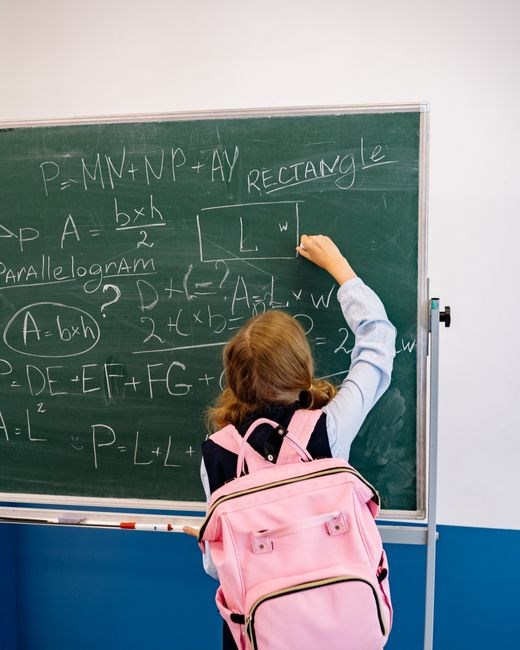
Typical Problem Scenarios
Students solve real‑world problems: estimating water volume in a cylindrical tank, calculating sand needed for a rectangular prism sandbox, and determining the capacity of a triangular prism storage box. Each worksheet blends diagram interpretation with formula application. Students compare volumes.
Water Volume Estimation

Students tackle realistic scenarios where they must determine how much water a container can hold. Worksheets present a range of shapes—cylindrical tanks, rectangular reservoirs, and triangular prisms—each with given dimensions. Learners apply the volume formulas: V = πr²h for cylinders, V = lwh for rectangular prisms, and V = (1/2)bh·h for triangular prisms. Problems often ask for the volume in cubic meters or liters, requiring unit conversion. For example, a 10‑meter‑long, 2‑meter‑wide, 3‑meter‑high rectangular tank holds 60 m³, which equals 60,000 L. Worksheets also include “what‑if” questions: how does the volume change if the height increases by 20%? Students calculate the new capacity and compare it to the original. Some tasks involve estimating the time needed to fill a tank at a given flow rate, combining volume with rate calculations. By working through these problems, students reinforce their understanding of volume concepts and develop practical skills for everyday applications. Students also convert cubic meters to liters (1 m³ = 1,000 L) and cubic centimeters to milliliters (1 cm³ = 1 mL). They calculate how long it will take to fill a tank when given a flow rate, reinforcing the relationship between volume, rate, and time. These exercises help students apply geometry to real‑world contexts.
Downloading and Using the PDF Worksheets
To access the volume worksheets, click the provided link on the resource page. The PDF file opens in the browser or downloads automatically, depending on your settings. Once downloaded, you can view the document with any PDF reader or built‑in viewer and download.! The worksheets are organized by shape: rectangular prisms, triangular prisms, pentagonal prisms, right circular cylinders, and tank problems. Each section contains a mix of multiple‑choice questions, fill‑in blanks, and open‑ended calculations. Before starting, read the instructions at the top of each worksheet to understand the required formulas and units. Students can print the pages for handwritten practice or use a tablet to annotate digitally. If you need to share the worksheets, simply email the PDF or embed it in a learning management system. The file size is under 2 MB, ensuring quick download even on slower connections. By following these steps, learners can efficiently practice volume calculations and reinforce their geometry skills All files free
Students can also use the built‑in annotation tools to highlight key steps.
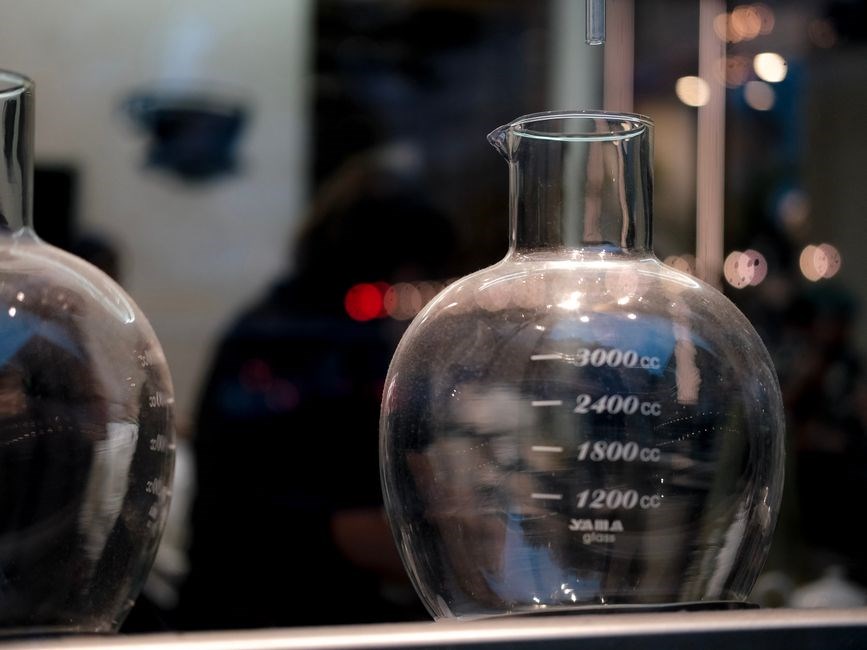
Teachers can also print a copy for each student to ensure everyone has a physical reference.
Students should practice converting between units such as cubic meters to liters or cubic centimeters to milliliters, to deepen their understanding of volume relationships. Additionally, worksheets include a reference sheet that summarizes key formulas, enabling students to check their work efficiently. This helps students verify calculations swiftly.